
For people living with a disability, it is often not just about managing their own physical or cognitive conditions but is generally linked to navigating a world that often fails to accommodate differences.
From inaccessible buildings to a ridged social system there are many environments that are not designed for people with disabilities. Over time, these forms of barriers do not just limit physical access, they can deeply affect and individuals’ mental health and overall wellbeing.
In today’s post, we will be going over the impact of living in a world which has not been designed for inclusion.
A World Designed Without Disability in Mind
There are many aspects of daily life such as transport, health care systems, workplaces and even social spaces that are still only designed for able-bodied and neurotypical people. The disconnect for people who use wheelchairs or who live with invisible disabilities these seemingly simple tasks can become and exhausting challenge.
The constant feeling of dread creates a powerful message to individuals in these environments “you don’t belong here”. When the ability of access is treated as an afterthought, disabled people after forced to adapt or go without being in social spaces. Overtime this contributes to stress, anxiety and feelings of exclusion.
Research has shown that people with disabilities experience higher rates of loneliness, depression and psychological issues compared to non-disabled populations. Whilst the disability itself is not the underlying cause of mental-health issues, structural and social barriers surrounding the disability is often related to it.
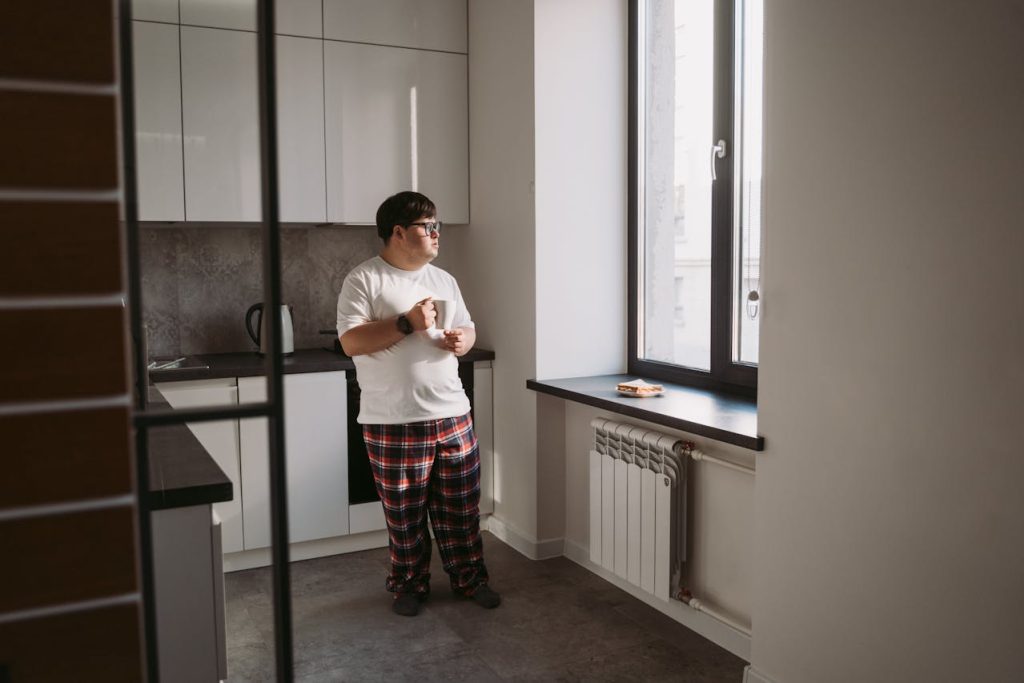
Loneliness is often one of the most significantly overlooked consequences of living in a world which is not built for people with disabilities.
When transportation, venues and or online spaces are not inclusive, form of opportunities and connections shrink rapidly. This form of isolation is not a personal failing for individuals; it is part of a larger systemic issue from abled bodied people.
Many disabled people feel loneliness, and it becomes a chronic issue rather than situational. Studies show that persistent loneliness is highly associated with higher level of psychological distress, anxiety and depression.
Addressing mental health for disabled people therefore requires looking at social inclusion, not just individual coping strategies.
The Emotional Labour of “Fitting In”
Beyond these forms of physical barriers, people with disabilities often carry emotional burdens of educating others, downplaying their need to avoid discomfort or not going out at all. This emotional response is rarely acknowledged, yet it does have a profound impact on mental wellbeing.
These pressures to appear resilient can also silence real struggles. When people frame disabilities as something to overcome rather than to ultimately accommodate people may feel guilt or shame for experiencing emotional distress, ever when that distress is a reasonable response to exclusion.

It is crucial to note that the problem is not people with disabilities themselves, it is the overall environment they live in. When society prioritises accessibility and inclusion, mental health outcomes ultimately improve overall and disabled individuals are empowered to participate fully in daily life. By advocating for inclusive design, challenging stigma, and valuing disabled voices, we move closer to a world in which everyone belongs and were living with a disability no longer means constantly adapting to barriers.
